

IAIDO (居合道)
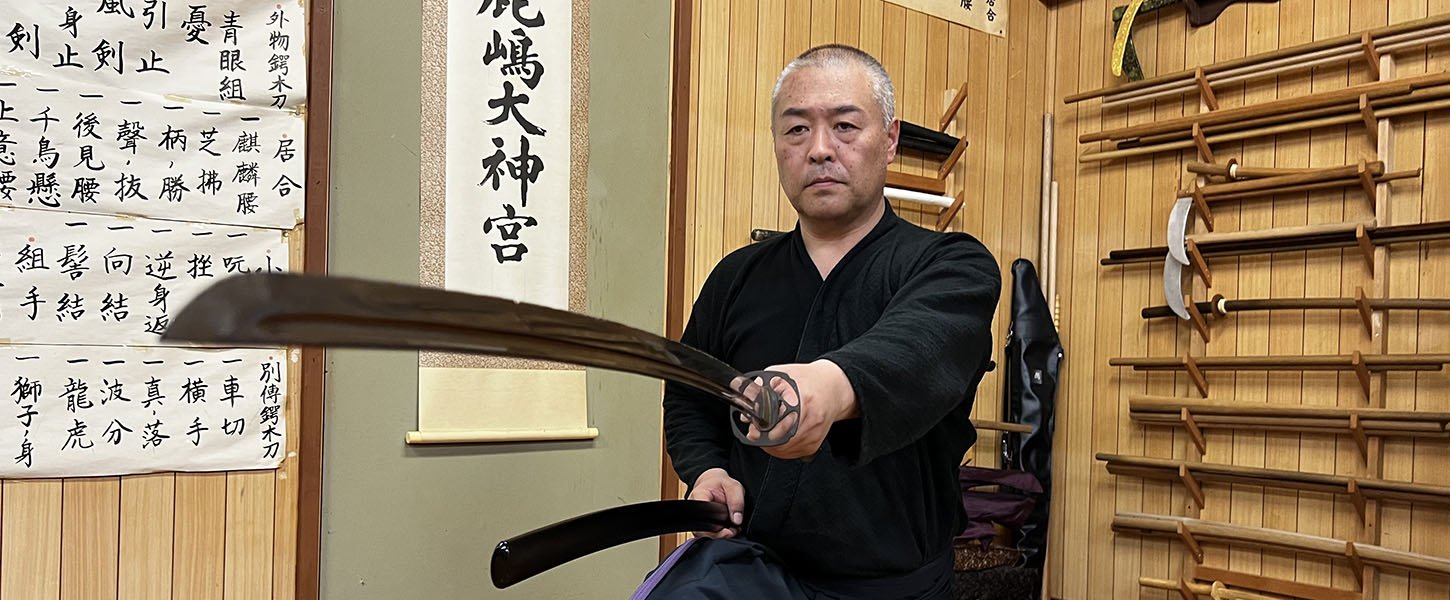
The foundation of NYBA is the study of Japanese sword. NYBA is one of the oldest sword schools in America (EST. 1963 by Otani Sensei). We currently practice MUSO SHINDEN RYU (夢想神伝流) and classic iaido style and a rare modern system called RYUSHIN SHOUCHI RYU (柳心照智流), using a light sword, with many one-handed techniques, it was designed for bodyguards during the Edo period). Originally introduced by Kawabata Sensei (a good friend of Otani Sensei’s) in the 1980s.
KYUDO (弓道)
KYŪDŌ (弓道) is the Japanese martial art of archery which is based on kyūjutsu ("art of archery"), which originated with the samurai class of feudal Japan. This online study group is lead by senior instructor Philip Ortiz Sensei who has been practicing Kyudo for the past 38 years under various styles, specifically under Shibata Sensei XX, Don Symanski Sensei, and Rick Beal Sensei. This group focuses specifically on a warrior style of Kyudo called Heki-ryū Chikurin-ha(竹林派) under the guidance of Shibata Sensei XXI.
NAGINATA (薙刀)
NAGINATA (薙刀), also known as "atarashii naginata" (あたらしいなぎなた), is a modern martial art involving the use of a Japanese halberd. The early users of the naginata were foot attendants to the samurai and warrior monks. Their primary use was to cut horses' legs during battles. Around 1400 A.D., the fighting style changed to using a long, straight spear in massed formations. The naginata was not suited for this style of warfare, so it was left at home for women to guard the house and castle. All samurai-class women were trained to use the naginata and a small dagger. The weapon has been associated with women ever since. In 2025 NYBA began a naginata study group with the support of Katie Roche Sensei of the Greater New York Naginata Federation and taught by Edward Kim Sensei.

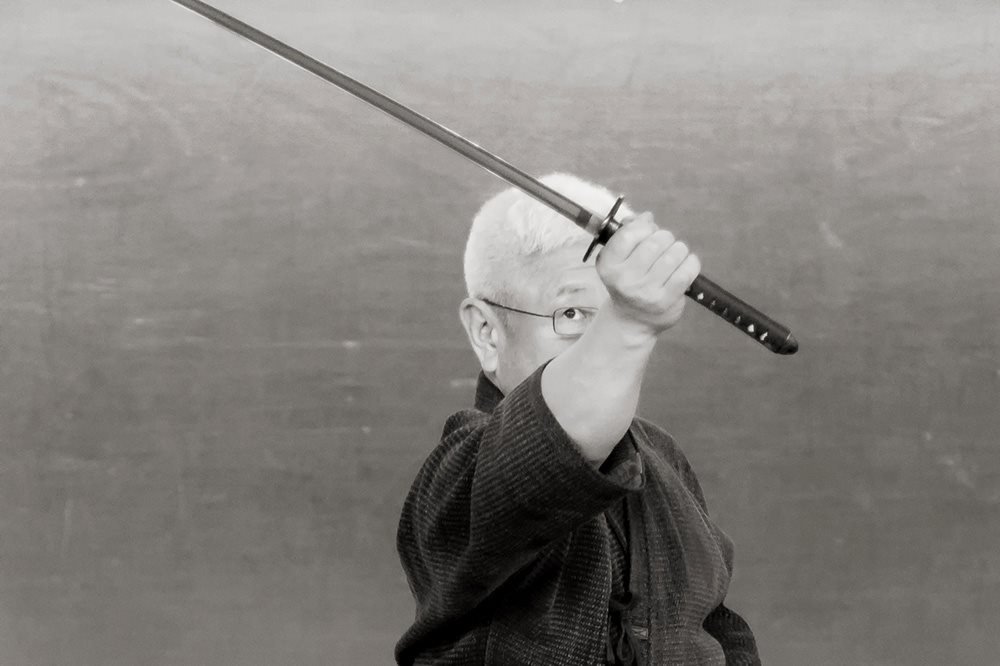

Ryushin Shouchi Ryu is a rare style of kenjutsu/iaido.
Ryushin Shouchi Ryu (柳心照智流) is a modern school of kobudō (ancient martial arts) specializing in iaijutsu (quick-draw sword art). This system originated from traditional Japanese swordsmanship techniques (the origins of the RSR can be traced to back to the style of Tenshin Shōden Katori Shintō-ryū), that have been transmitted over hundreds of years, distilling the wisdom, discipline, and determination of generations of masters. RSR is dedicated to the practice and preservation of the skills that closely resemble the fighting techniques of the samurai, which fundamentally derive from conscious breathing and body movements that determine the speed and accuracy of sword movements.
The name Ryushin Shouchi Ryu was selected by the founder, Kawabata Terutaka Sensei. Ryūshin (柳心) means “Mind or Heart of the Willow tree” and invokes the image of a tree which does not lose its leaves even in winter; while Shouchi (照智) can be translated as “shining wisdom”. Together, these characters convey the sense of “establishing in the world an unmovable wisdom and everyday mind by means of a strong yet flexible body and spirit.”
Our study of RSR involves the combination and practice of Kata, Kumitachi, and Tameshigiri.
KYUDO (弓道)

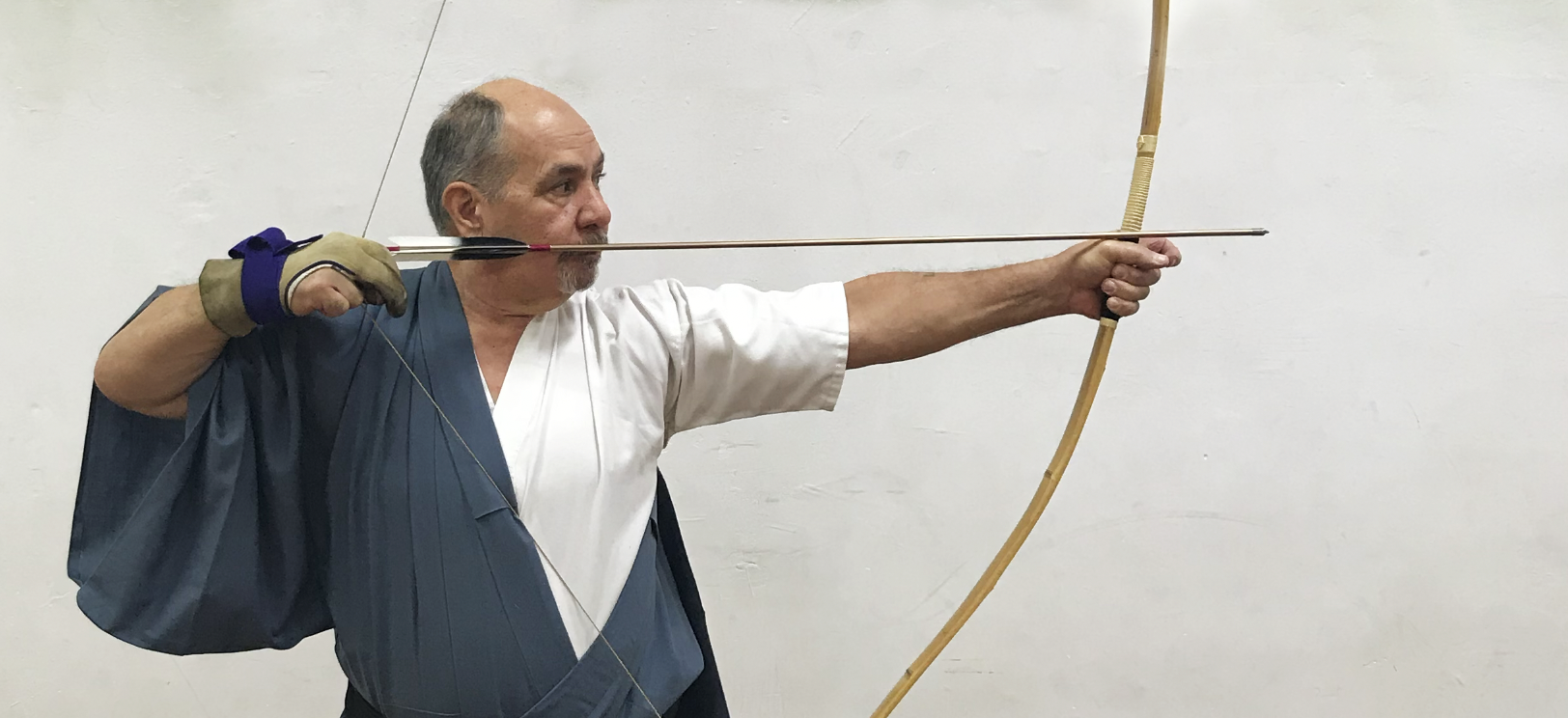
We practice a specific style of Kyudo (弓道) Zen archery called
Heki-ryu Chikurin-ha (竹林派)
Senior instructor Phil Ortiz has been practicing Kyudo for over the 38 years under various styles including: All Nippon (federation style), Heki-Ryu Chikurin-Ha, and Zen Archery. Our focus is Heki-Ryu Chikurin-Ha Zen Archery under the guidance of Rick Beal Sensei in Pasadena California.

The naginata is perhaps the most famous polearm of Japan. It was used by the buke - the warrior class of Japan - for centuries. It became part of the traditional progression of an ancient battle, surpassing the sword as the weapon of choice for men in large scale combat. Women learned its use to defend the home and castle.
The original characters for the naginata meant 'long sword' because the blade is made in a fashion similar to the tachi and katana, although it has developed its own characteristics over the centuries. Like all polearms, the metal head is attached to a long body of wood - perhaps 2 meters or more in length. Its length added reach and leverage, making it deadly against horsed and armored opponents.
During the peace of the Tokugawa shogunate, it became the traditional weapon of women, and was often part of a samurai daughter's dowry. There are many traditional ryuha that still teach the old naginata kata, using wooden naginata, just as kenjutsu schools might use a bokuto. One of the more famous is Tendo Ryu Naginatajutsu - the Naginata techniques of the Tendo family school.
Tendo Ryu Naginatajutsu grew up alongside of the sword arts of Japan, and was taught under the All Japan Kendo Federation for many years. Using kendo-like equipment, and a bamboo-bladed weapon, tournament matches may be held. This 'new' form is called 'Atarashii Naginata ', and has grown large enough to have its own international federation. Atarashii Naginata is rare in North America, with barely 100 ranked practitioners in all of the United States, spread between California, Colorado, Illinois, New York, and the Washington DC metropolitan area.